
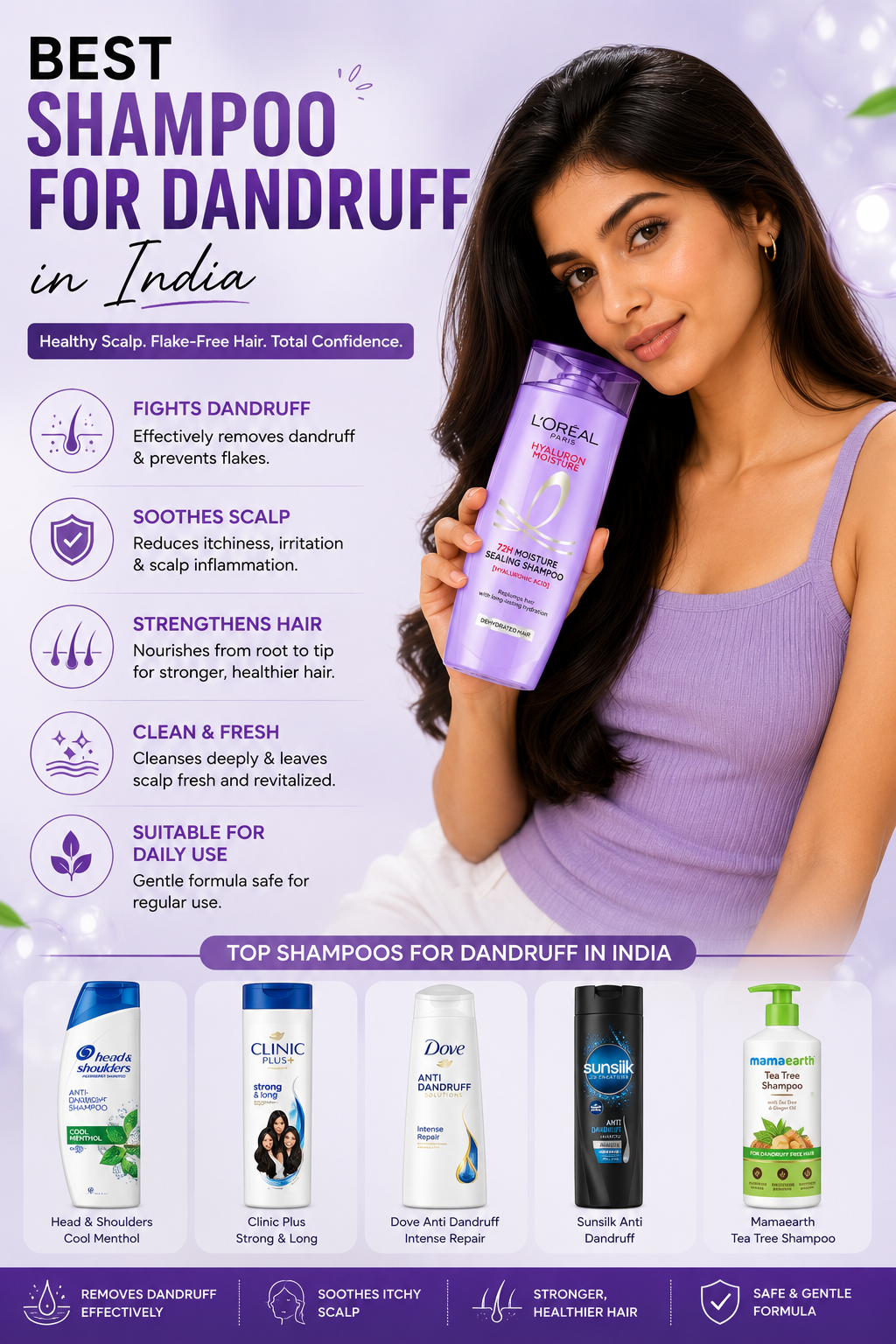
White flakes on your shoulders? Itchy scalp ruining your confidence? 😩
Dandruff is one of the most common hair problems in India, especially because of:
- Pollution
- Sweat & humidity
- Oily scalp
- Hard water
- Stress
- Wrong hair products
The worst part?
Dandruff not only causes itching but can also lead to:
- Hair fall
- Dry scalp
- Greasy scalp
- Scalp irritation
- Weak hair roots
That’s why choosing the best shampoo for dandruff in India becomes extremely important 💛
A good anti-dandruff shampoo helps:
✔ Remove flakes
✔ Control scalp oil
✔ Reduce itching
✔ Support healthy hair growth
In this GlowifyHub guide, we’ll explore the top anti-dandruff shampoos available in India along with honest reviews, pros & cons, and tips to keep your scalp healthy 🌿✨
What is Dandruff? 🌿
Dandruff is a scalp condition where dead skin flakes appear on the scalp and hair.
Common symptoms include:
- White flakes
- Itchy scalp
- Dryness
- Oily scalp buildup
- Irritation
Mild dandruff is common, but severe dandruff may need dermatologist advice.
Why Using Anti-Dandruff Shampoo is Important ✨
🛡️ 1. Removes White Flakes
Helps clean visible dandruff from scalp.
💧 2. Reduces Itching
Calms scalp irritation and dryness.
🌿 3. Controls Excess Oil
Prevents oily scalp buildup.
✨ 4. Supports Healthy Hair
Healthy scalp = healthier hair growth.
💛 5. Improves Confidence
No more visible flakes on clothes.
Best Shampoo for Dandruff in India 💰
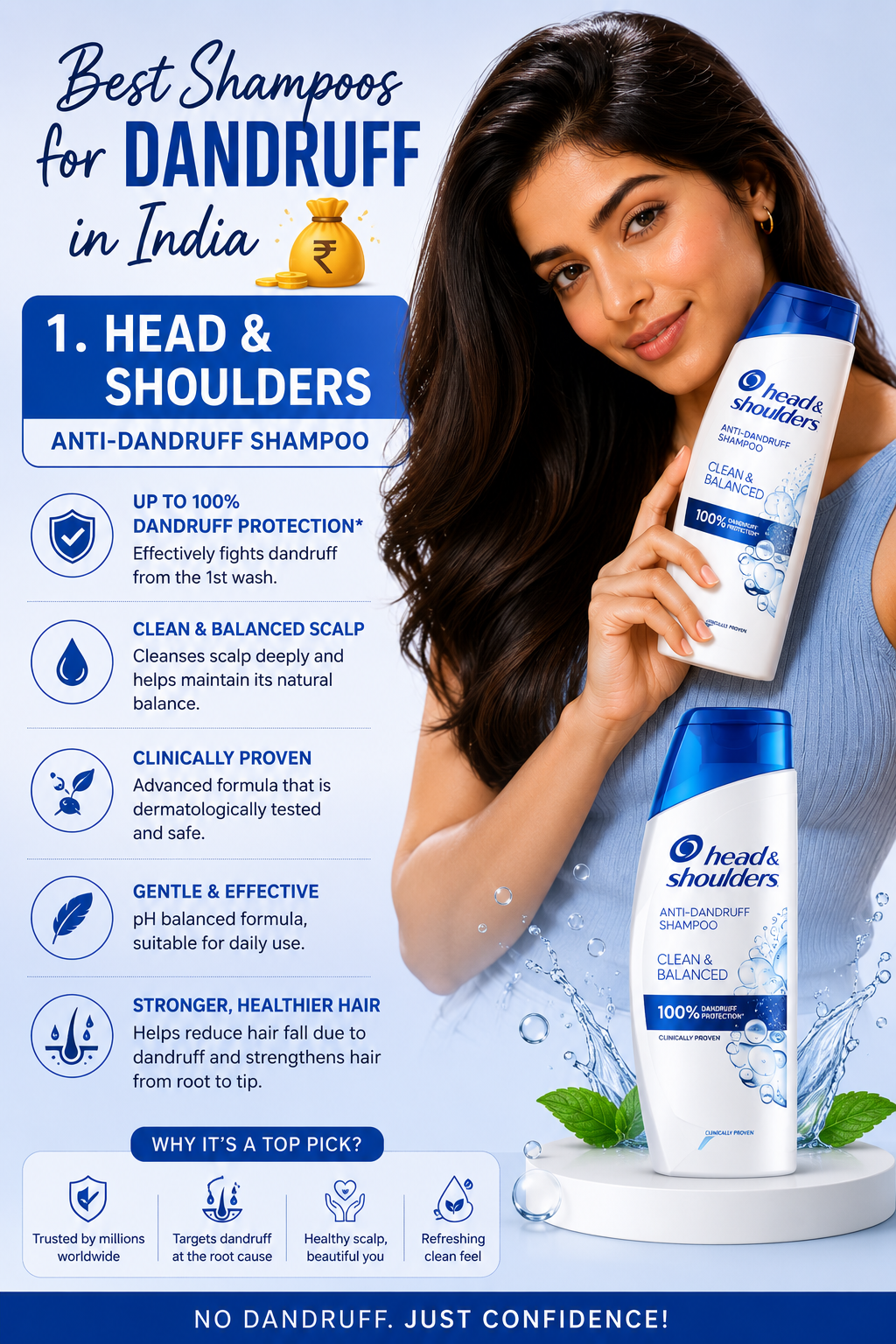
1. Head & Shoulders Anti-Dandruff Shampoo
Best For
Daily dandruff control
Pros
✔ Easily available
✔ Controls visible flakes
✔ Refreshing scalp feel
Cons
✖ May feel slightly drying for some hair types
Honest Review
India mein sabse widely trusted brand hai anti-dandruff category mein, isliye har local store mein easily mil jaata hai. Foam achha banta hai aur scalp turant fresh feel hoti hai wash ke baad. Kuch logon ko halka drying effect mehsoos ho sakta hai agar bahut regularly use karein — isliye ek hydrating conditioner saath mein use karna better rahega.
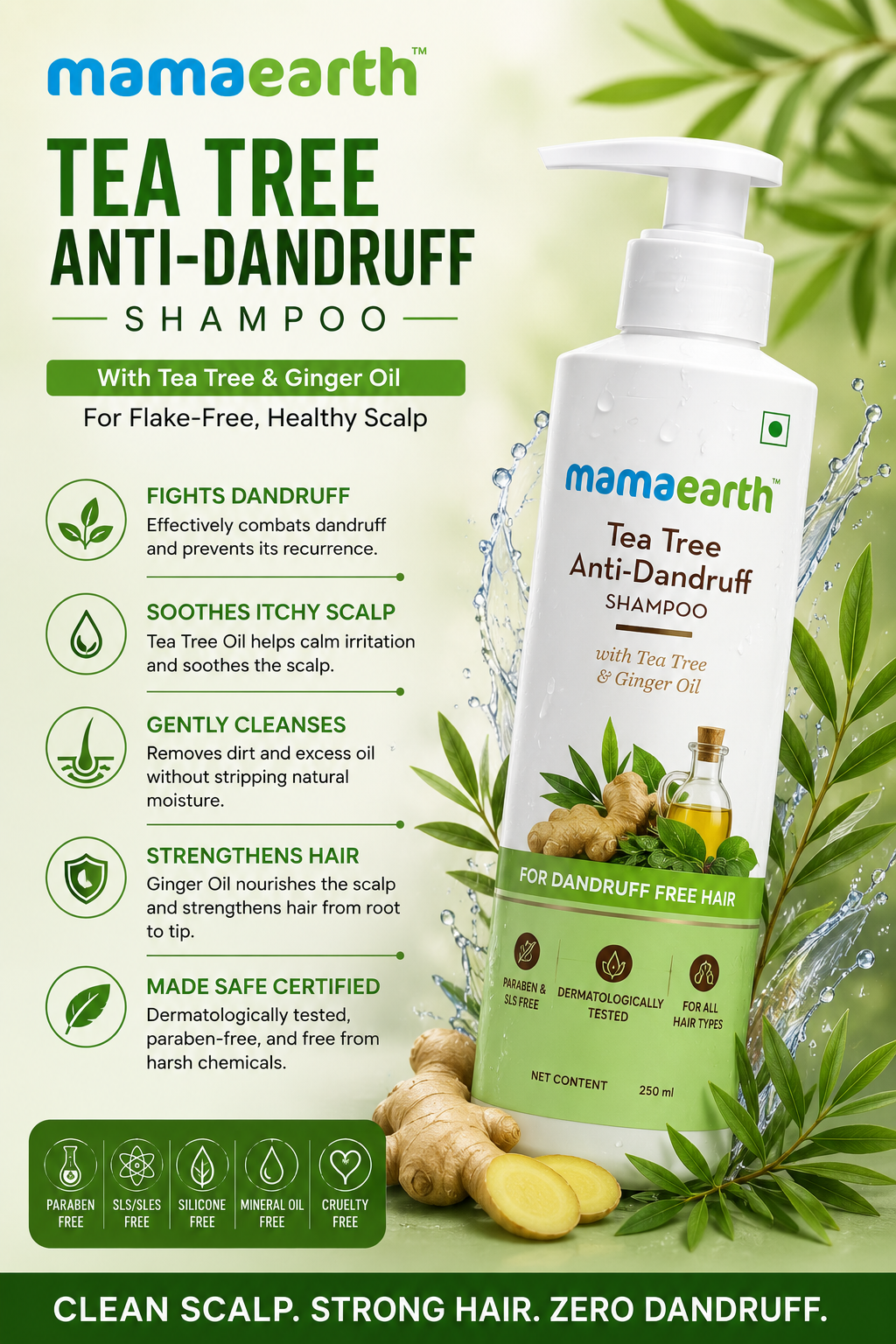
2. Mamaearth Tea Tree Anti-Dandruff Shampoo
Best For
Natural ingredient lovers
Pros
✔ Tea tree goodness
✔ Sulfate-free formula
✔ Gentle cleansing
Cons
✖ Results may take time
Honest Review
Sulfate-free formula hone ki wajah se ye gentler hai scalp pe, especially sensitive scalp walon ke liye. Tea tree ki smell noticeable hai lekin overpowering nahi. Results Head & Shoulders jitne fast nahi hain — 3-4 weeks consistent use ke baad hi noticeable farak dikhta hai, lekin long-term mein scalp health better maintain hoti hai.
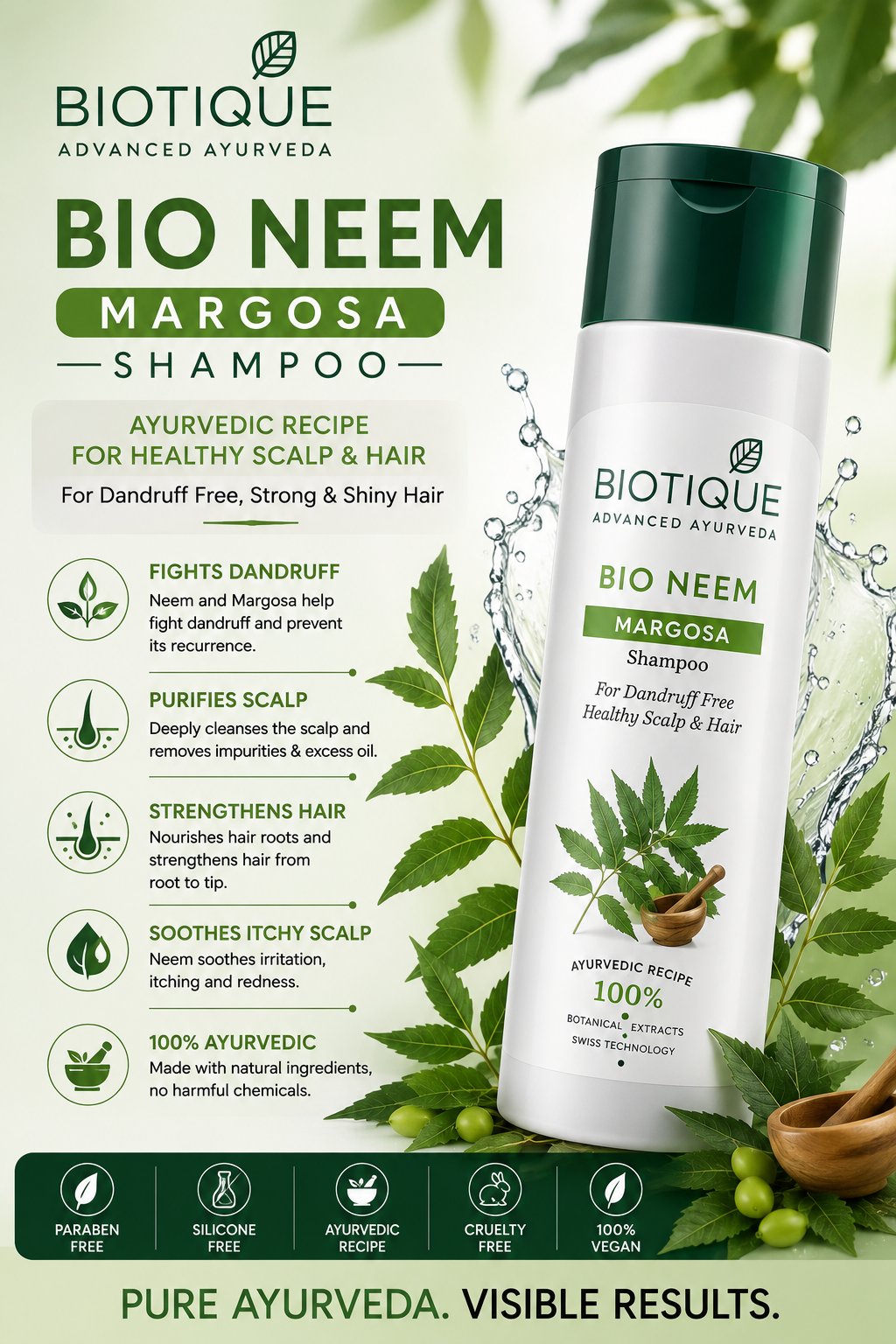
3. Biotique Bio Neem Margosa Shampoo
Best For
Herbal scalp care
Pros
✔ Ayurvedic ingredients
✔ Budget-friendly
✔ Refreshing feel
Cons
✖ May not suit severe dandruff
Honest Review
Ayurvedic approach pasand karne walon ke liye achha option hai, budget-friendly bhi hai. Mild dandruff ke liye effective hai, lekin severe/stubborn dandruff ke liye ye akela kaafi nahi hoga. Herbal fragrance hai jo refreshing lagti hai wash ke baad.
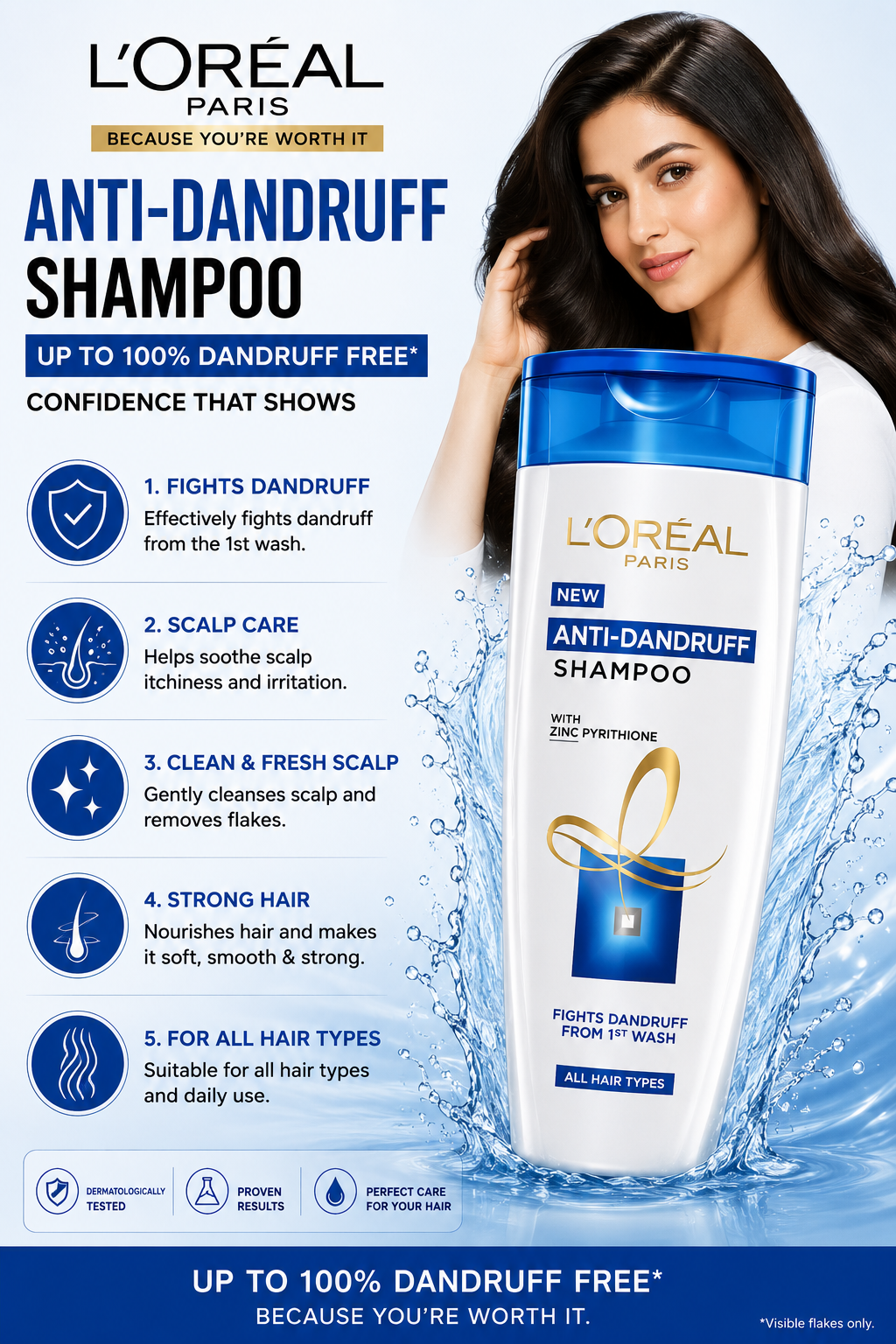
4. L’Oréal Paris Anti-Dandruff Shampoo
Best For
Dry & flaky scalp
Pros
✔ Smooth hair finish
✔ Controls flakes
✔ Pleasant fragrance
Cons
✖ Slightly expensive compared to basic shampoos
Honest Review
Ye shampoo dandruff control ke saath hair softness bhi maintain karta hai, jo kuch dusre medicated shampoos mein miss hota hai (jo hair ko thoda rough kar dete hain). Dry scalp walon ke liye especially achha balance deta hai. Price baaki budget options se thoda zyada hai.
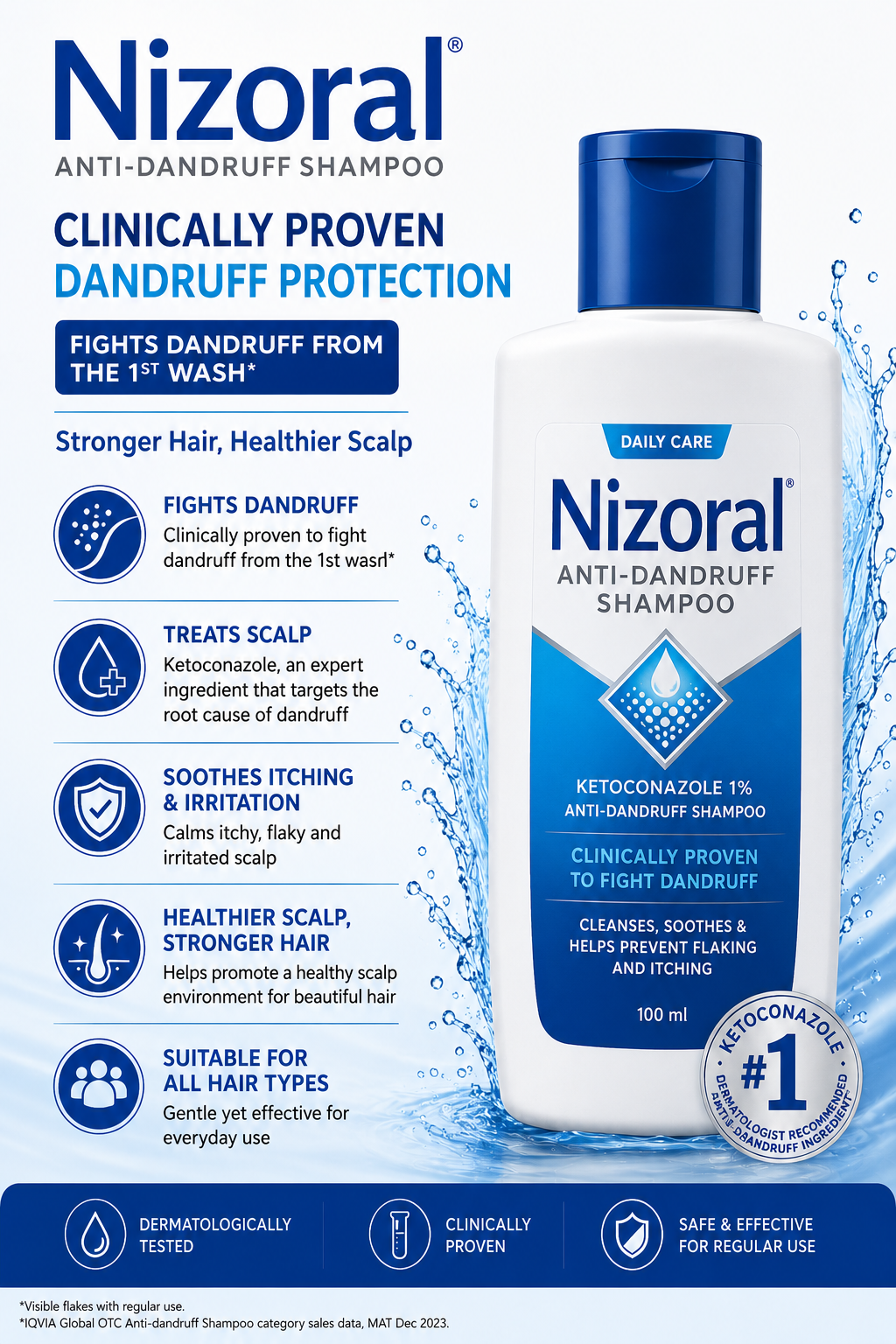
5. Nizoral Anti-Dandruff Shampoo
Best For
Stubborn dandruff
Pros
✔ Strong anti-dandruff action
✔ Helps severe flakes
✔ Effective scalp cleansing
Cons
✖ Should not be overused
Honest Review
Ye sabse strong/medicated option hai is list mein — Ketoconazole-based formula hai jo severe, recurring dandruff ke liye specifically effective hai. Lekin isliye ise overuse nahi karna chahiye (hafte mein 2 baar se zyada nahi), warna scalp dry ho sakta hai. Agar regular shampoos kaam nahi kar rahe, to ye next step hai try karne ke liye.
How to Use Anti-Dandruff Shampoo Correctly 🧴
Step-by-Step Guide
Step 1: Wet Hair Properly
Use lukewarm water.
Step 2: Apply Small Amount
Focus mainly on scalp.
Step 3: Massage Gently
Massage for 1–2 minutes.
Step 4: Leave for Few Minutes
Allows ingredients to work properly.
Step 5: Rinse Thoroughly
Avoid product buildup on scalp.
📌 Use 2–3 times weekly for best results.
Who Should Use Anti-Dandruff Shampoo? 👀
✔ People with itchy scalp
✔ White flakes on scalp
✔ Oily scalp issues
✔ Mild hair fall caused by dandruff
✔ Teenagers & adults facing scalp buildup
🧴 Understanding Different Types of Dandruff
Not all dandruff is the same, and choosing the right shampoo depends partly on which type you’re dealing with.
Dry Scalp Dandruff: Often caused by weather changes, over-washing, or harsh hair products stripping natural oils. This typically shows up as smaller, white flakes and comes with a tight, itchy scalp feeling. Gentler, hydrating anti-dandruff shampoos (like L’Oréal or Mamaearth) tend to work better here rather than very stripping medicated formulas.
Oily Scalp Dandruff (Seborrheic Dermatitis-related): This type is linked to excess oil production combined with a yeast called Malassezia, resulting in larger, yellowish, greasy-looking flakes. Stronger, medicated shampoos like Nizoral or zinc-pyrithione-based options like Head & Shoulders tend to be more effective for this type.
Fungal/Stubborn Dandruff: Recurring, persistent dandruff that doesn’t respond to regular shampoos often has a fungal component. This is where medicated, ketoconazole or selenium sulfide-based shampoos like Nizoral become particularly relevant, sometimes requiring dermatologist guidance for the most stubborn cases.
Identifying which category your dandruff falls into can save a lot of trial-and-error time and money spent switching between products that aren’t suited to your specific scalp condition.
🌦️ Seasonal Dandruff Triggers in India
Summer: Increased sweating and humidity create an ideal environment for oil buildup and fungal growth on the scalp, often worsening dandruff during hotter months. More frequent washing (within reason) and lightweight, oil-controlling shampoos help manage this.
Monsoon: Humidity combined with less sun exposure can worsen scalp buildup and fungal-related dandruff. Keeping hair thoroughly dry after washing, rather than leaving it damp for extended periods, becomes especially important during this season.
Winter: Dry, cold air often triggers dry-scalp-related dandruff, with smaller flakes and increased itching. Switching to a slightly more hydrating anti-dandruff shampoo during winter months, rather than a strong stripping formula, often helps balance dryness while still controlling flakes.
🚫 Common Mistakes That Make Dandruff Worse
Switching shampoos too frequently: Anti-dandruff shampoos, especially medicated ones, often need 3-4 weeks of consistent use to show real results. Switching every week because “it’s not working yet” rarely gives any single product a fair chance.
Using anti-dandruff shampoo every single day: Many medicated formulas are designed for use 2-3 times a week, not daily. Overuse can strip the scalp excessively, sometimes triggering more oil production as a compensatory response, which can paradoxically worsen dandruff.
Skipping conditioner entirely: Some people avoid conditioner altogether when dealing with dandruff, fearing it will worsen oiliness. However, applying conditioner only to hair lengths (avoiding the scalp) doesn’t interfere with dandruff treatment and helps prevent dryness and breakage.
Scratching the scalp aggressively: While itching is a common dandruff symptom, aggressive scratching can create micro-injuries on the scalp, potentially worsening irritation and even contributing to temporary hair thinning in affected areas.
Ignoring diet and hydration: While shampoo is the primary treatment tool, chronic dehydration and poor diet can indirectly affect scalp health, making dandruff harder to manage even with the right products.
🧴 Building a Complete Anti-Dandruff Hair Care Routine
Step 1 — Choose the right shampoo for your dandruff type: As covered above, match the shampoo strength (gentle vs. medicated) to whether you’re dealing with dry, oily, or fungal-related dandruff.
Step 2 — Follow proper washing technique: Focus shampoo application on the scalp rather than just the hair lengths, since dandruff originates at the scalp level.
Step 3 — Condition strategically: Apply conditioner only to mid-lengths and ends, avoiding the scalp, to prevent adding oil to an area already being treated for flakes and buildup.
Step 4 — Maintain consistent frequency: Stick to the recommended usage frequency (usually 2-3 times weekly for medicated shampoos) rather than daily use or inconsistent, sporadic washing.
Step 5 — Avoid heavy scalp oiling during active dandruff: While hair oiling is a beloved practice in Indian haircare traditions, heavy oiling during an active dandruff flare-up can sometimes worsen oil-related dandruff, so it’s worth moderating or pausing oiling until flakes are under control.
Step 6 — Monitor and adjust: If a shampoo shows no improvement after 4-6 weeks of consistent, correct use, it may be worth trying a different formula or consulting a dermatologist for more persistent cases.
💰 Is It Worth Buying a Dedicated Anti-Dandruff Shampoo?
Compared to using a regular shampoo alongside separate dandruff treatments, a dedicated anti-dandruff shampoo combines cleansing and treatment into one step, which is generally more convenient and often more cost-effective over time.
Budget options like Biotique and Mamaearth make dandruff control accessible without a significant investment, while medicated options like Nizoral cost more but offer more targeted, clinically-oriented treatment for stubborn cases. For most people dealing with mild to moderate dandruff, starting with an accessible, well-reviewed option like Head & Shoulders or a gentler herbal alternative makes sense before considering stronger medicated formulas.
One final consideration worth keeping in mind — no single shampoo, regardless of price or brand reputation, works identically for everyone, since dandruff causes and scalp conditions vary significantly from person to person. What works well for a friend or family member with oily-scalp dandruff might not suit someone dealing with dry, flaky, sensitive scalp issues. Approaching shampoo selection as a personalized process, based on your specific scalp type and dandruff triggers, tends to yield better long-term results than simply picking the most popular or highest-rated option without considering individual scalp needs.
A healthy scalp ultimately supports stronger, more resilient hair overall.
Comparison: Which Dandruff Shampoo is Best? ⚡
| Shampoo | Best For | Main Benefit | Hair Type |
|---|---|---|---|
| Head & Shoulders | Daily dandruff control | Flake reduction | All hair types |
| Mamaearth Tea Tree | Mild dandruff | Gentle cleansing | Sensitive scalp |
| Biotique Neem | Herbal care | Refreshing scalp | Oily scalp |
| L’Oréal Anti-Dandruff | Dry scalp | Smooth finish | Dry hair |
| Nizoral | Severe dandruff | Strong treatment | Severe flakes |
👉 Best Overall: Head & Shoulders
👉 Best Herbal Pick: Biotique Neem Shampoo
👉 Best for Severe Dandruff: Nizoral
Tips for Healthy & Dandruff-Free Scalp 💡
- Wash hair regularly
- Avoid very oily scalp buildup
- Keep pillow covers clean
- Drink enough water 💧
- Reduce stress levels
- Avoid scratching scalp
- Eat healthy foods rich in vitamins 🥗
📚Related Articles You May Like
Continue your body-care and skincare journey with these GlowifyHub guides:
- Dove Glow Recharge Serum Body Wash Review
- Best Moisturizer for Oily Skin in India
- Best Moisturizer for Dry Skin Under ₹499
- How to Remove Tan Naturally at Home
- Best Sunscreens for Acne-Prone Skin in India
- Best Face Serum for Acne-Prone Skin
- Night Skincare Routine for Clear Skin
- Top Korean Skincare Products in India
- Best Hair Oil for Hair Growth Fast
- Best Hair Mask for Damaged Hair
FAQs (SEO Optimized)
Q1. Which is the best shampoo for dandruff in India?
Head & Shoulders, Nizoral, and Mamaearth Tea Tree Shampoo are among the most popular and effective choices, depending on whether you need general daily control or stronger treatment for stubborn dandruff.
Q2. Can dandruff cause hair fall?
Yes, severe dandruff and the resulting scalp irritation, inflammation, and scratching may contribute to increased hair fall over time.
Q3. How many times should I use anti-dandruff shampoo?
Usually 2-3 times weekly is sufficient for most anti-dandruff shampoos, particularly medicated formulas that shouldn’t be overused.
Q4. Is oiling good for dandruff?
Excess oiling may worsen dandruff for some people, particularly those with oily-scalp-related dandruff, so moderating oil application during active flare-ups is often recommended.
Q5. Which anti-dandruff shampoo is best for oily scalp?
Tea tree and neem-based shampoos, along with zinc-pyrithione formulas like Head & Shoulders, tend to work well for oily scalp-related dandruff.
Q6. Can dandruff be completely cured permanently?
Dandruff is often a manageable, recurring condition rather than something permanently cured, meaning consistent scalp care usually keeps it under control rather than eliminating it forever.
Q7. Is dandruff contagious?
No, dandruff itself is not contagious and cannot be spread from person to person through contact or shared use of combs and hats.
Q8. Can stress cause dandruff?
Yes, stress can influence oil production and immune response in ways that may worsen existing dandruff, even though it isn’t typically the sole underlying cause.
Q9. Should I use conditioner if I have dandruff?
Yes, but apply it only to the hair lengths and ends, avoiding the scalp, to prevent adding excess oil to the area being treated.
Q10. Can dandruff shampoo be used on colored hair?
Many anti-dandruff shampoos are safe for colored hair, but it’s worth checking individual product labeling, since some medicated formulas can affect color vibrancy with frequent use.
Q11. How long does it take for anti-dandruff shampoo to work?
Most users notice improvement within 2-4 weeks of consistent, correct use, though severe or fungal-related dandruff may take longer or require stronger treatment.
Q12. Can children use anti-dandruff shampoo?
Mild, herbal options are generally safer for children, but stronger medicated shampoos like Nizoral typically aren’t recommended without consulting a pediatrician or dermatologist first.
Q13. Does hard water make dandruff worse?
Yes, hard water can contribute to scalp buildup and dryness, which may worsen dandruff symptoms for some individuals, particularly in areas with very high mineral content in water.
Q14. Is dandruff the same as a dry scalp?
Not exactly — dry scalp is one possible cause of dandruff-like flaking, but dandruff can also result from oily scalp conditions or fungal overgrowth, requiring different treatment approaches.
Q15. Can diet affect dandruff?
While diet isn’t the primary cause, a diet lacking in certain nutrients, along with poor hydration, may indirectly affect scalp health and make managing dandruff more difficult.
Q16. Is it normal for dandruff to come back after treatment?
Yes, dandruff often has a cyclical, recurring nature, especially with seasonal changes, so periodic flare-ups even after successful treatment are common and not necessarily a sign of treatment failure.
Q17. Can I use anti-dandruff shampoo every day?
Most formulas, especially medicated ones, are designed for 2-3 uses per week rather than daily use, since daily use can excessively strip the scalp.
Q18. Does switching shampoos frequently help with dandruff?
Not usually — giving one suitable shampoo consistent use for several weeks tends to be more effective than frequently switching between different products.
Q19. Can men and women use the same anti-dandruff shampoos?
Yes, dandruff shampoos are generally not gender-specific and work based on scalp condition and dandruff type rather than gender.
Q20. When should I see a dermatologist for dandruff?
If dandruff remains severe, persistent, or accompanied by significant redness, pain, or hair loss despite consistent use of appropriate shampoos for 6-8 weeks, consulting a dermatologist is a reasonable next step.
Conclusion
Dandruff can affect both your scalp health and confidence 😩
But with the right anti-dandruff shampoo and proper haircare routine, you can reduce flakes, itching, and scalp irritation effectively ✨
Whether you prefer:
✔ Herbal shampoos
✔ Gentle sulfate-free options
✔ Strong anti-dandruff formulas
there’s a perfect shampoo available for your scalp needs 💛
Consistency is the real key to healthy, clean, and dandruff-free hair 🌿
👉 Choose the right product & start your glow journey today ✨